Wimbledon Common
About Wimbledon Common
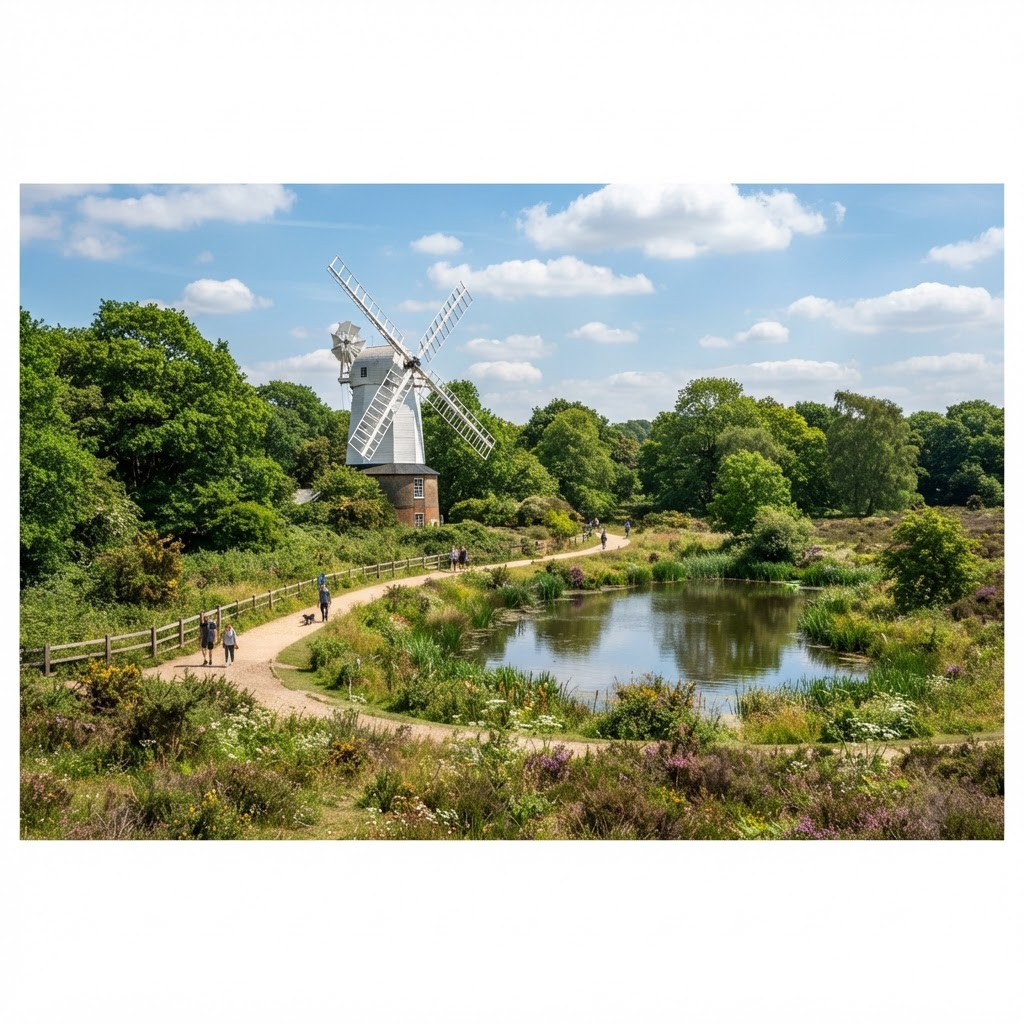
A huge expanse of wild heath, woodland and grassland in South West London, famous for its windmill, horse-riding tracks and as the home of the Wombles.
History & Heritage
Wimbledon Common has existed as common land for centuries and was the scene of a major Victorian legal battle when the Lord of the Manor, Earl Spencer, sought to enclose it and build on the land. Public opposition led to the Wimbledon and Putney Commons Act of 1871, which protected the land permanently and placed it under the care of elected Conservators, a model still in place today.
The common's most famous landmark is the Wimbledon Windmill, built in 1817, one of the few remaining hollow-post flour mills in the country and now a museum. It was here that Robert Baden-Powell wrote parts of Scouting for Boys. The common later found worldwide fame as the fictional home of the Wombles in Elisabeth Beresford's beloved children's books.
What to Expect
Expect a genuinely wild landscape of heath, ancient woodland, ponds and grassland covering over 1,100 acres alongside adjoining Putney Heath. The historic windmill houses a small museum, and there are extensive trails for walking, running and horse riding, a golf course, and rich wildlife. It feels remarkably remote for a park within Greater London.
Known For
Features & Facilities
- Windmill museum
- Woodland trails
- Horse-riding tracks
- Golf course
- Ponds
- Nature reserve
Frequently Asked Questions
- Can you visit the Wimbledon Windmill?
- Yes, the Wimbledon Windmill, built in 1817, houses a museum that is open to visitors on weekends and bank holidays during the warmer months.
- Is Wimbledon Common really the home of the Wombles?
- In fiction, yes — the common is the setting for Elisabeth Beresford's Wombles books and television series. The furry characters famously live in burrows on the common.
- Can you go horse riding on Wimbledon Common?
- Yes, the common has around 16 miles of horse-riding tracks and there are riding stables nearby. A licence is required for riders.
More London Parks
Hyde Park
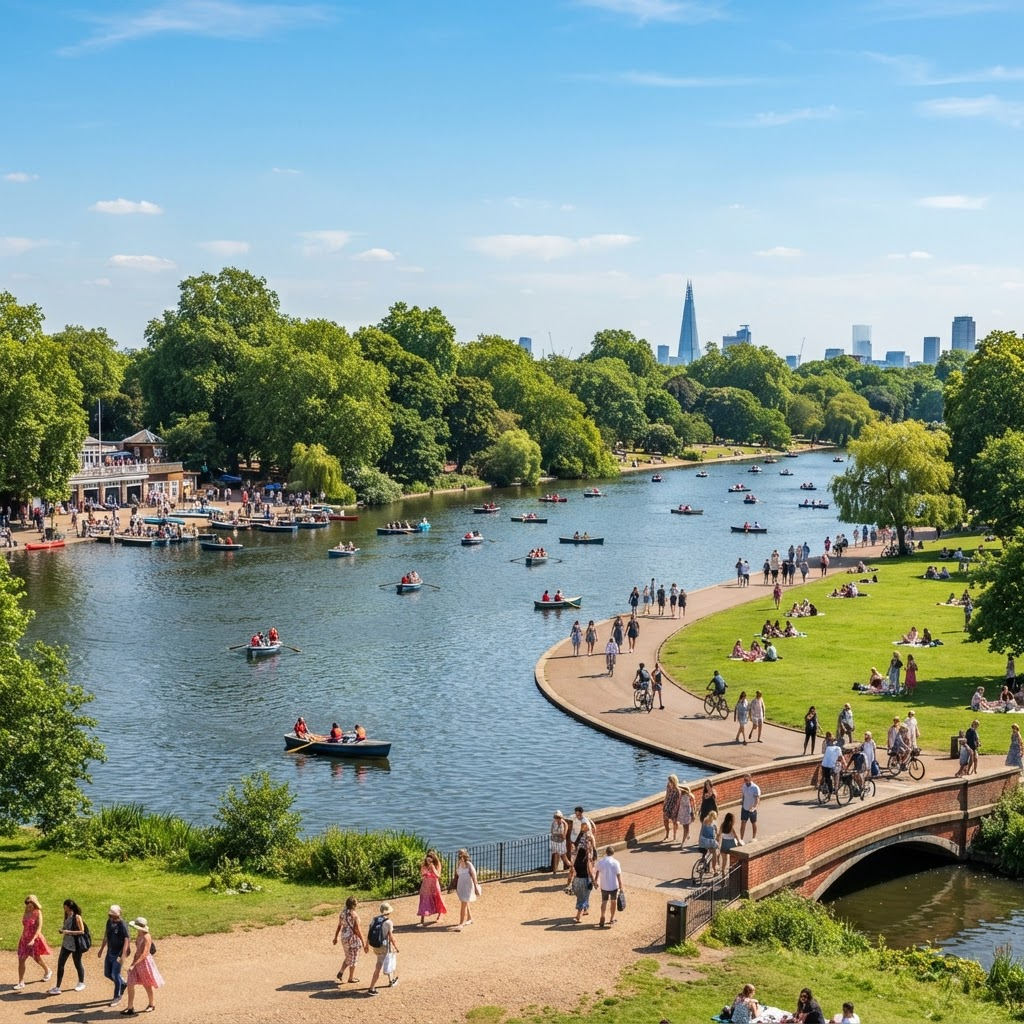
One of London's largest and most famous Royal Parks, home to the Serpentine lake, Speakers' Corner and 350 acres of open parkland in the heart of the city.
Regent's Park
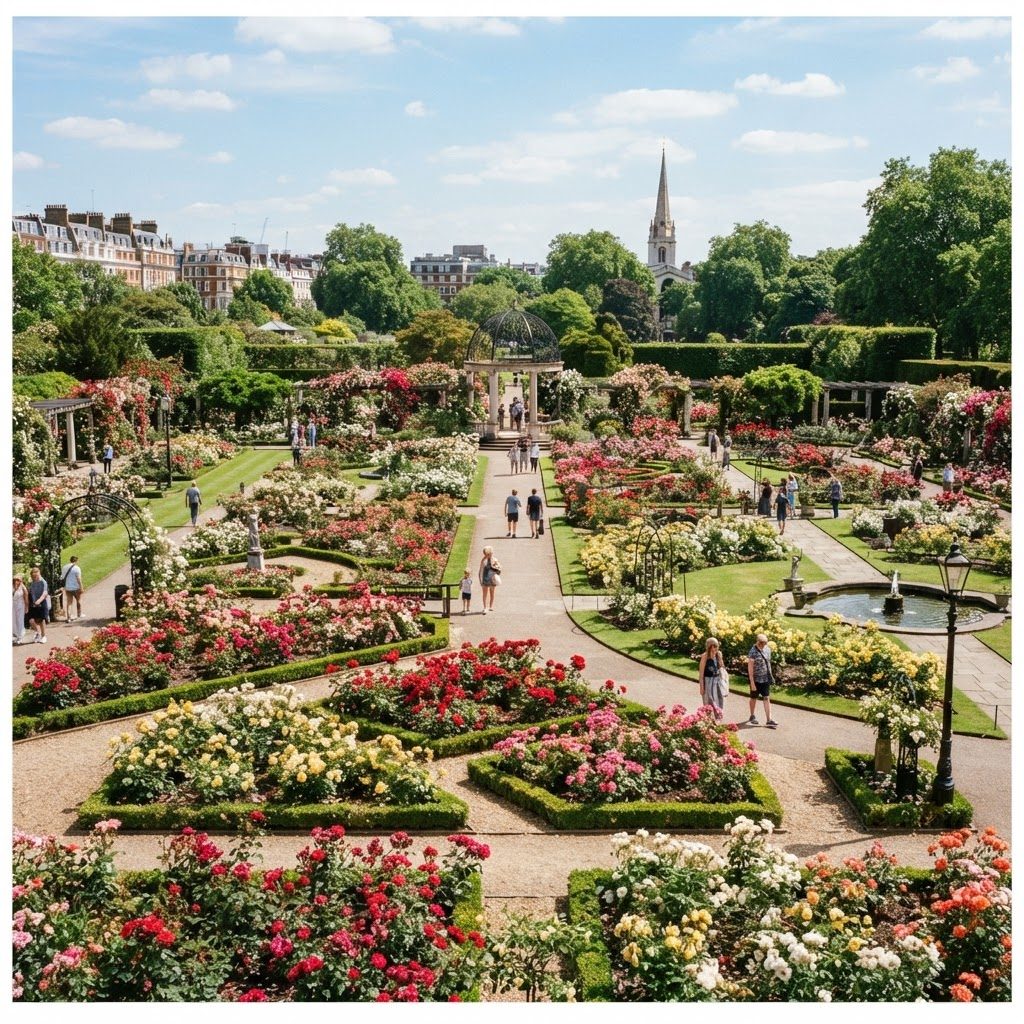
An elegant Royal Park designed by John Nash, famous for Queen Mary's Gardens, the Open Air Theatre, London Zoo and beautifully manicured formal gardens.
Richmond Park
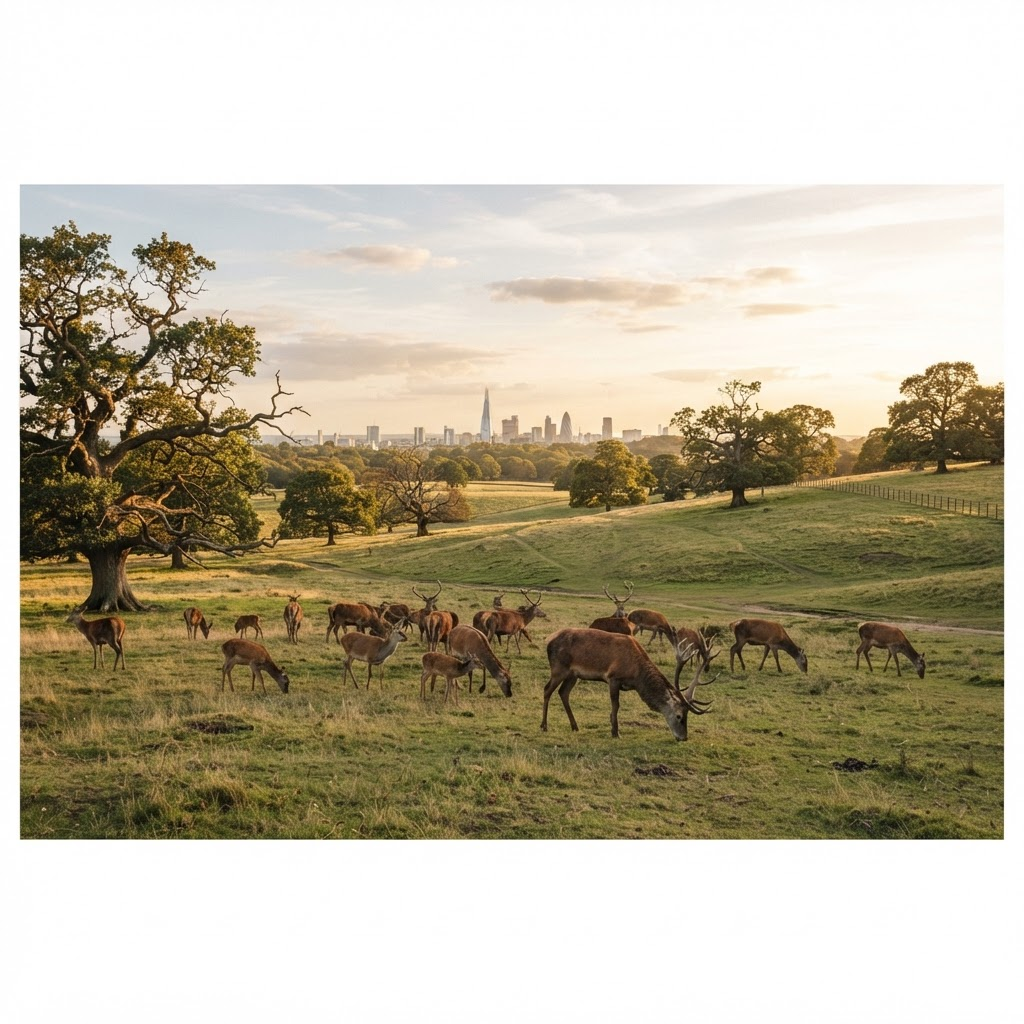
London's largest Royal Park and a National Nature Reserve, famous for its free-roaming red and fallow deer, ancient trees and sweeping views towards St Paul's.