Richmond Park
About Richmond Park
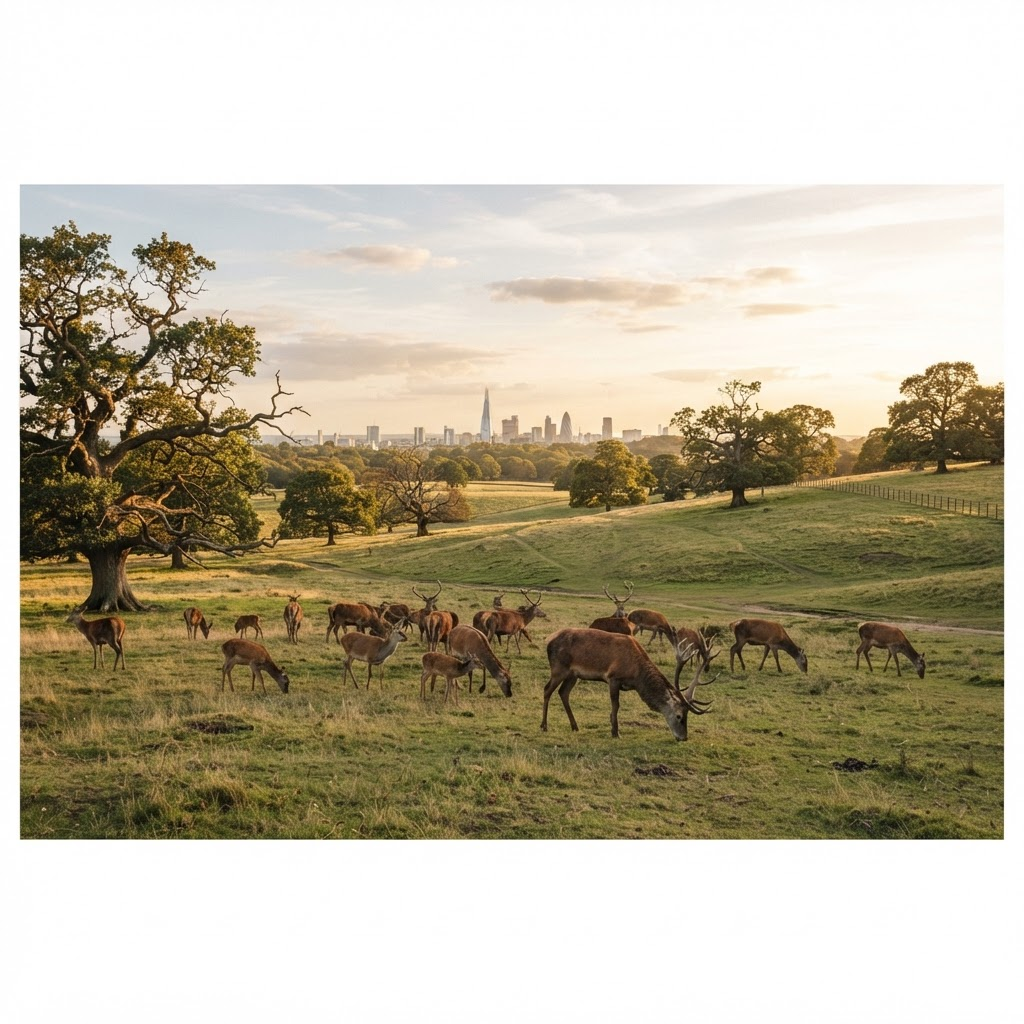
London's largest Royal Park and a National Nature Reserve, famous for its free-roaming red and fallow deer, ancient trees and sweeping views towards St Paul's.
History & Heritage
Richmond Park was created by King Charles I in 1637 when he enclosed the land as a royal hunting park for red and fallow deer, building a wall around its perimeter that still largely stands today. The decision to wall off common land angered locals, and public rights of way were only secured after a long campaign, most famously by brewer John Lewis in the 18th century, who successfully fought for pedestrian access.
Designated a Site of Special Scientific Interest and a National Nature Reserve, the park preserves a landscape of ancient oaks, acid grassland and veteran trees that support rare beetles, birds and fungi. King Henry's Mound offers a protected telescopic view of St Paul's Cathedral ten miles away, a sightline safeguarded by law.
What to Expect
Expect a vast, wild landscape quite unlike central London's manicured parks, with around 600 red and fallow deer roaming freely across ancient grassland. Visitors come to cycle the perimeter road, walk woodland trails, and admire the azaleas and rhododendrons of the Isabella Plantation, which peaks in late spring. Keep a respectful distance from the deer, especially during rutting and birthing seasons.
Known For
Features & Facilities
- Deer herds
- Woodland gardens
- Cycling trails
- Horse riding
- Cafés
- Protected view of St Paul's
Frequently Asked Questions
- Can you see deer in Richmond Park?
- Yes, around 600 red and fallow deer roam freely throughout Richmond Park. Visitors should keep at least 50 metres away, particularly during the autumn rut and the spring birthing season.
- Is cycling allowed in Richmond Park?
- Yes, cycling is very popular in Richmond Park. There is a shared-use Tamsin Trail around the perimeter and cyclists may use the main park roads.
- When is the Isabella Plantation at its best?
- The Isabella Plantation is famous for its azaleas and rhododendrons, which are typically at their most spectacular from late April to early May.
More London Parks
Bushy Park
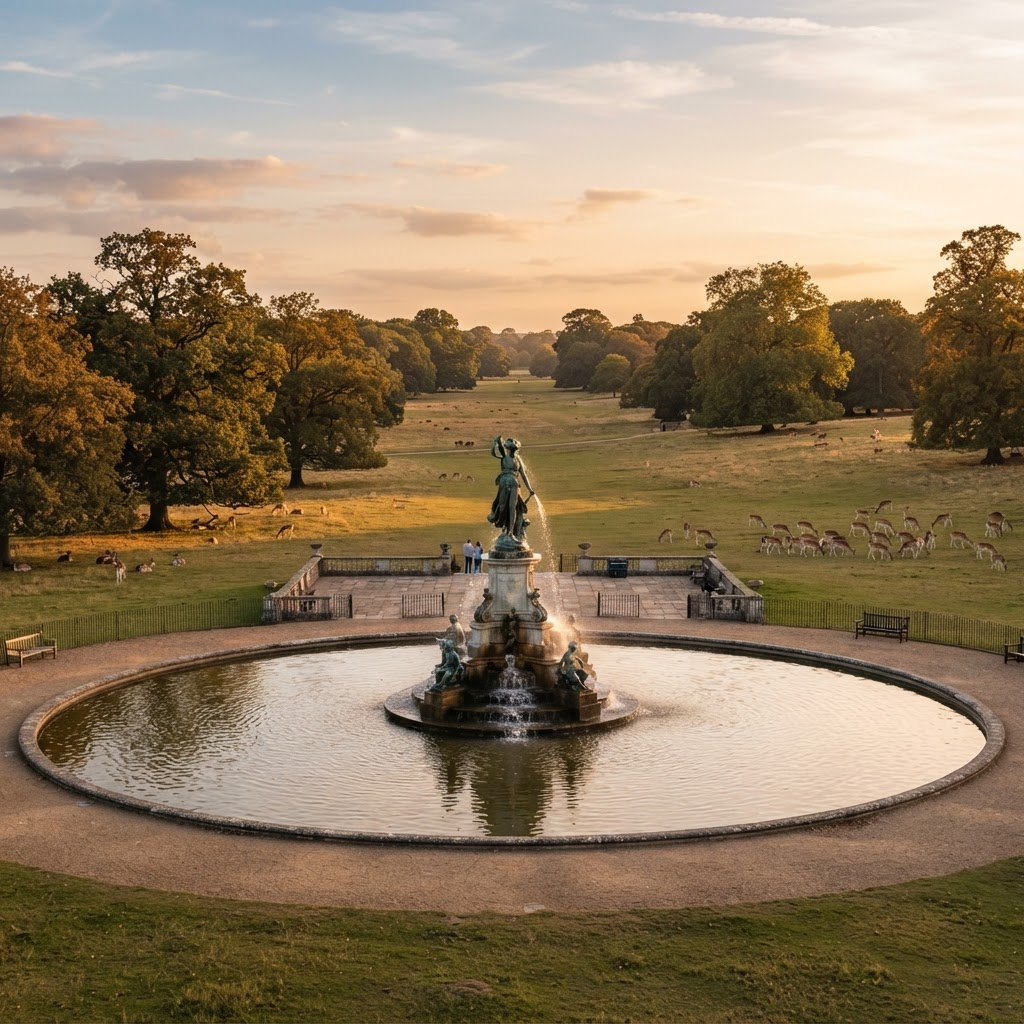
The second largest Royal Park, next to Hampton Court Palace, famous for its free-roaming deer, the grand Chestnut Avenue and the baroque Diana Fountain.
Hyde Park
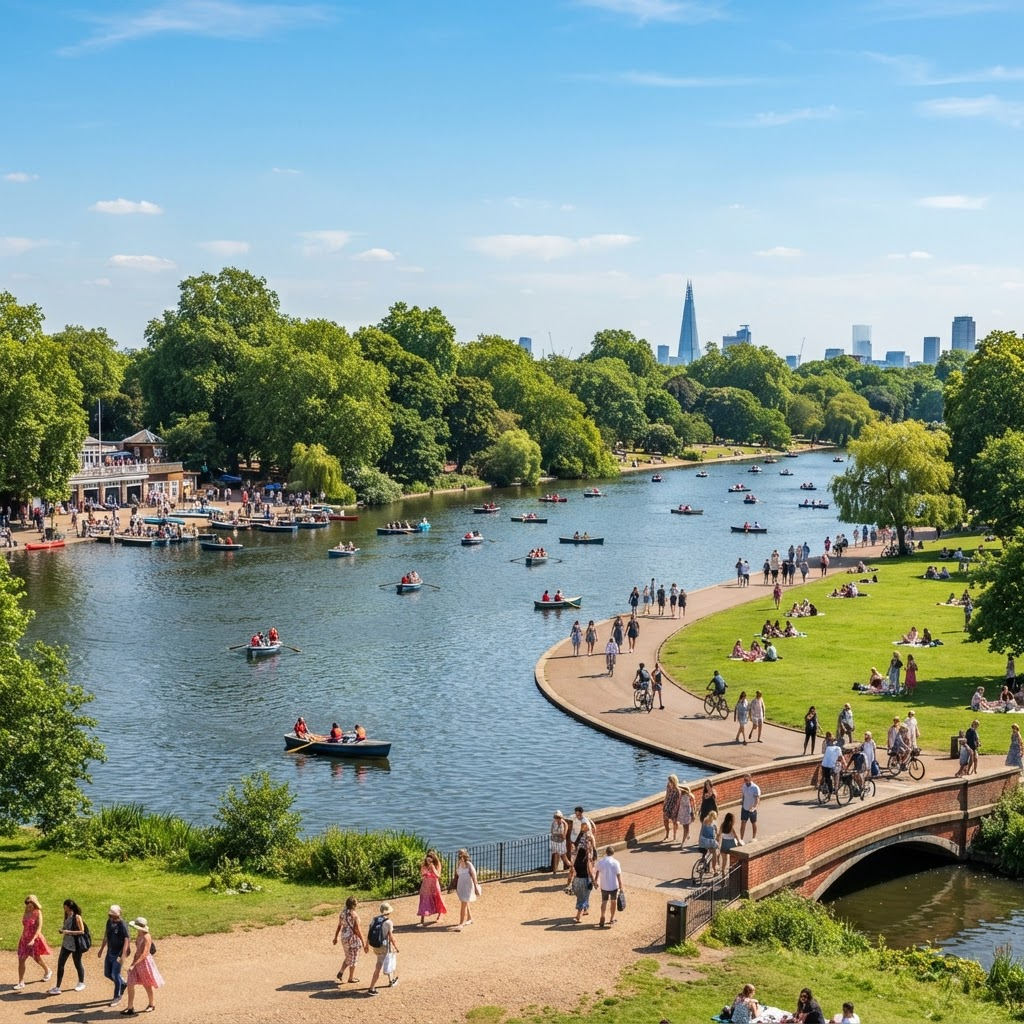
One of London's largest and most famous Royal Parks, home to the Serpentine lake, Speakers' Corner and 350 acres of open parkland in the heart of the city.
Regent's Park
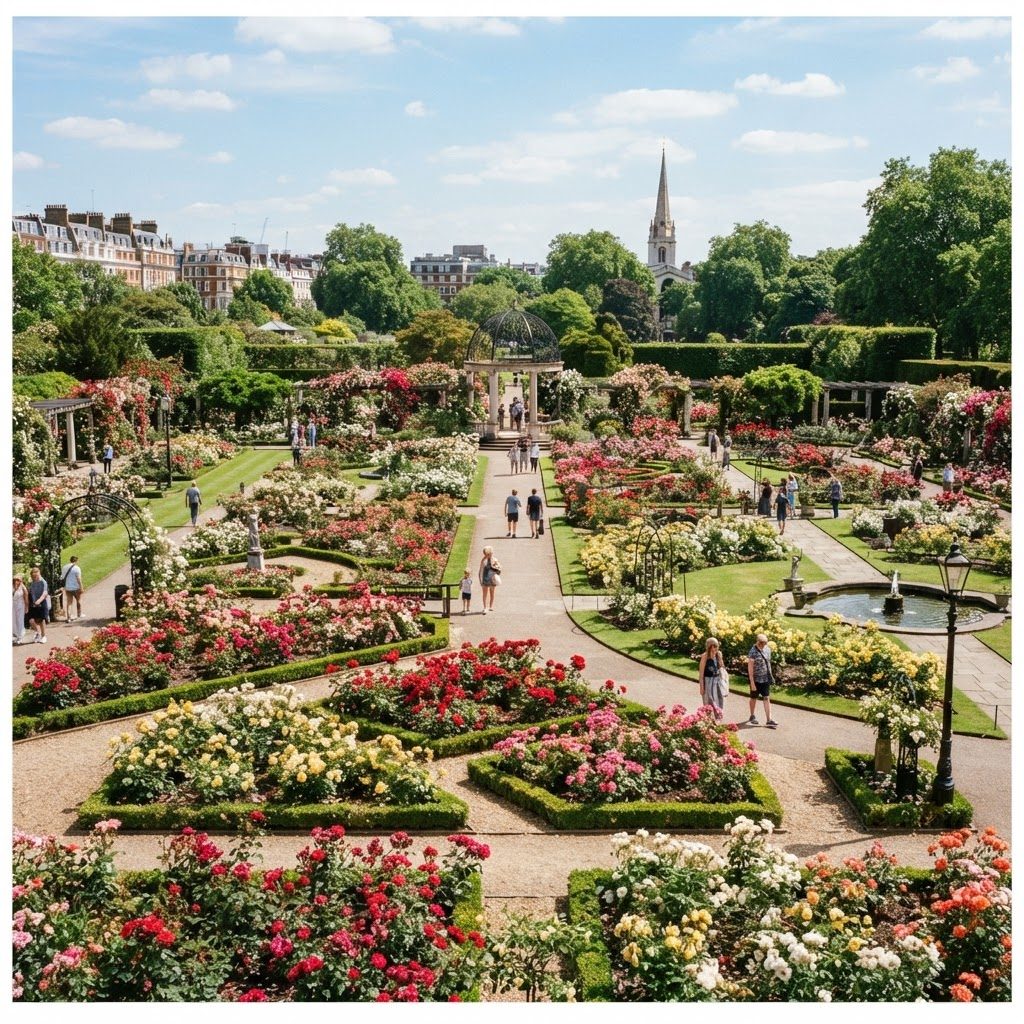
An elegant Royal Park designed by John Nash, famous for Queen Mary's Gardens, the Open Air Theatre, London Zoo and beautifully manicured formal gardens.