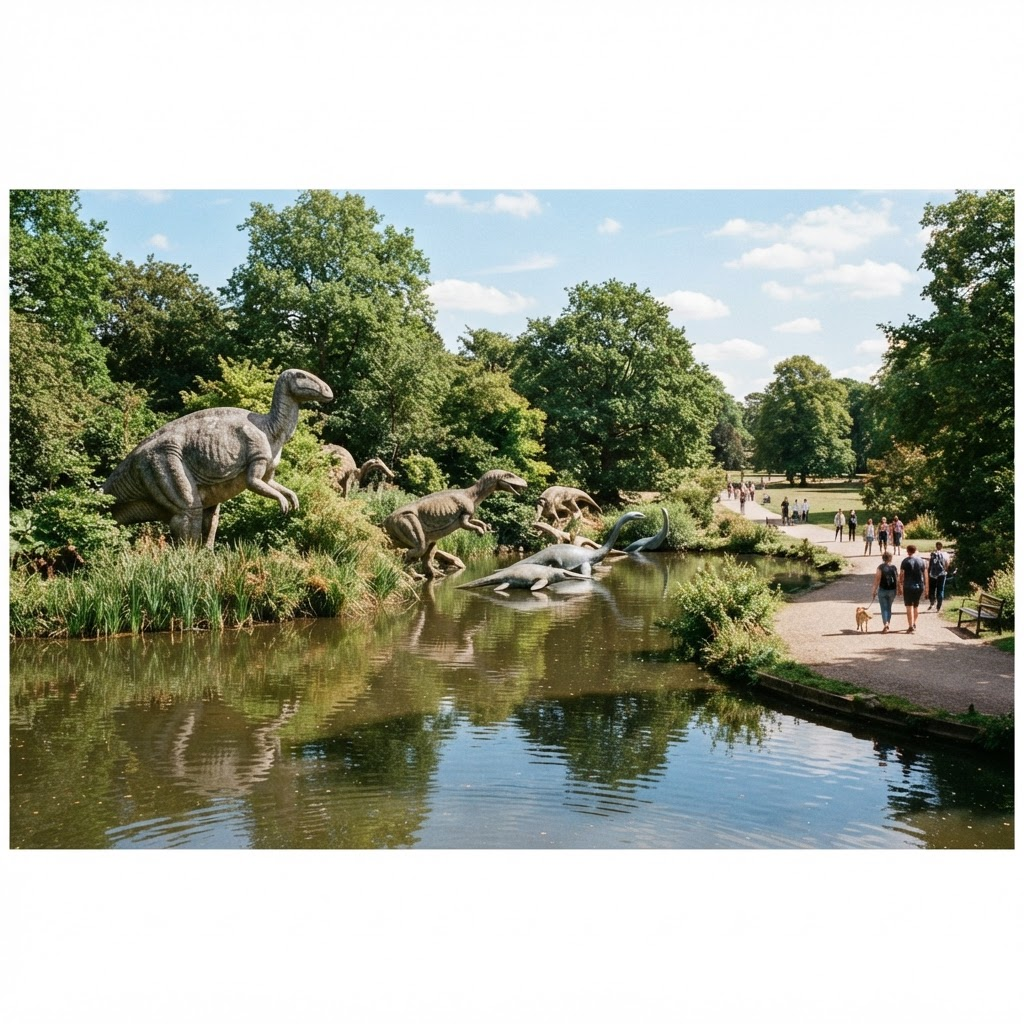
Crystal Palace Park
About Crystal Palace Park
A historic South London park famous for its Victorian dinosaur sculptures, the ruins of the Crystal Palace, a maze and a national sports centre.
History & Heritage
Crystal Palace Park was created around the Crystal Palace, the vast iron-and-glass exhibition hall that had housed the Great Exhibition of 1851 in Hyde Park and was relocated to Sydenham Hill in 1854. The surrounding grounds were laid out as spectacular pleasure gardens with fountains, terraces and attractions drawing millions of visitors.
In 1854 the park unveiled the world's first-ever dinosaur sculptures, designed by Benjamin Waterhouse Hawkins with advice from the scientist Richard Owen, predating Darwin's Origin of Species. Though scientifically outdated, these 30 Grade I-listed models remain beloved. The Crystal Palace itself was destroyed by a catastrophic fire in 1936, leaving only ghostly terraces and ruins that survive today.
What to Expect
Expect a park rich in Victorian history, headlined by the famous dinosaur sculptures set around the lake — the first attempt anywhere to model prehistoric animals at full size. Visitors can explore the ruins and terraces of the lost Crystal Palace, tackle the maze, visit the small farm, and use the National Sports Centre. Restoration projects continue to revive the park's historic features.
Known For
Features & Facilities
- Dinosaur sculptures
- Boating lake
- Maze
- Sports centre
- Café
- Farm
Frequently Asked Questions
- Are the Crystal Palace dinosaurs real fossils?
- No, they are Victorian sculptures created in 1854 — the first dinosaur models ever made. There are around 30 of them, and they are Grade I listed, though their designs are now known to be scientifically inaccurate.
- What happened to the Crystal Palace building?
- The Crystal Palace, relocated to Sydenham in 1854, was destroyed by a huge fire in 1936. Only terraces, steps and some ruins remain in the park today.
- Is there a maze in Crystal Palace Park?
- Yes, the park has a restored hedge maze, one of the largest in the country, which is free to enter.
More London Parks
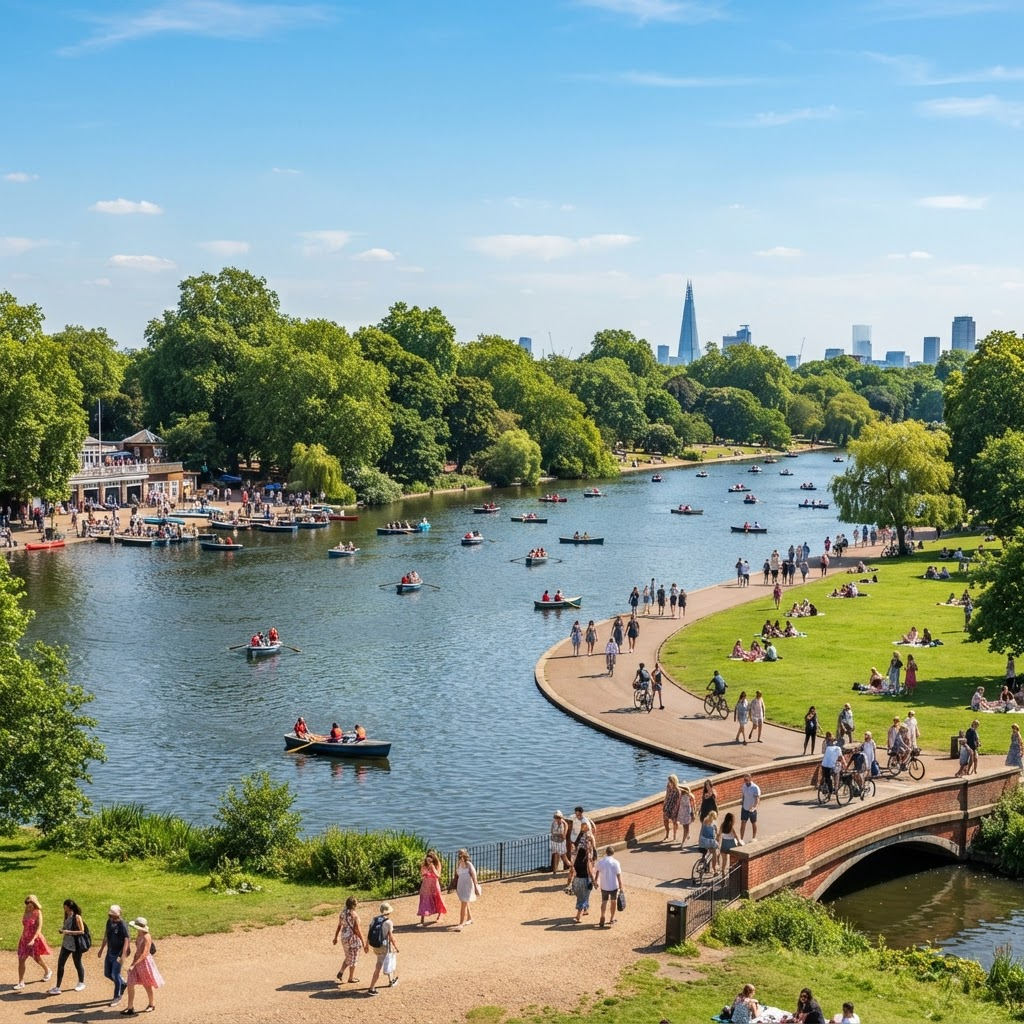
Hyde Park
One of London's largest and most famous Royal Parks, home to the Serpentine lake, Speakers' Corner and 350 acres of open parkland in the heart of the city.
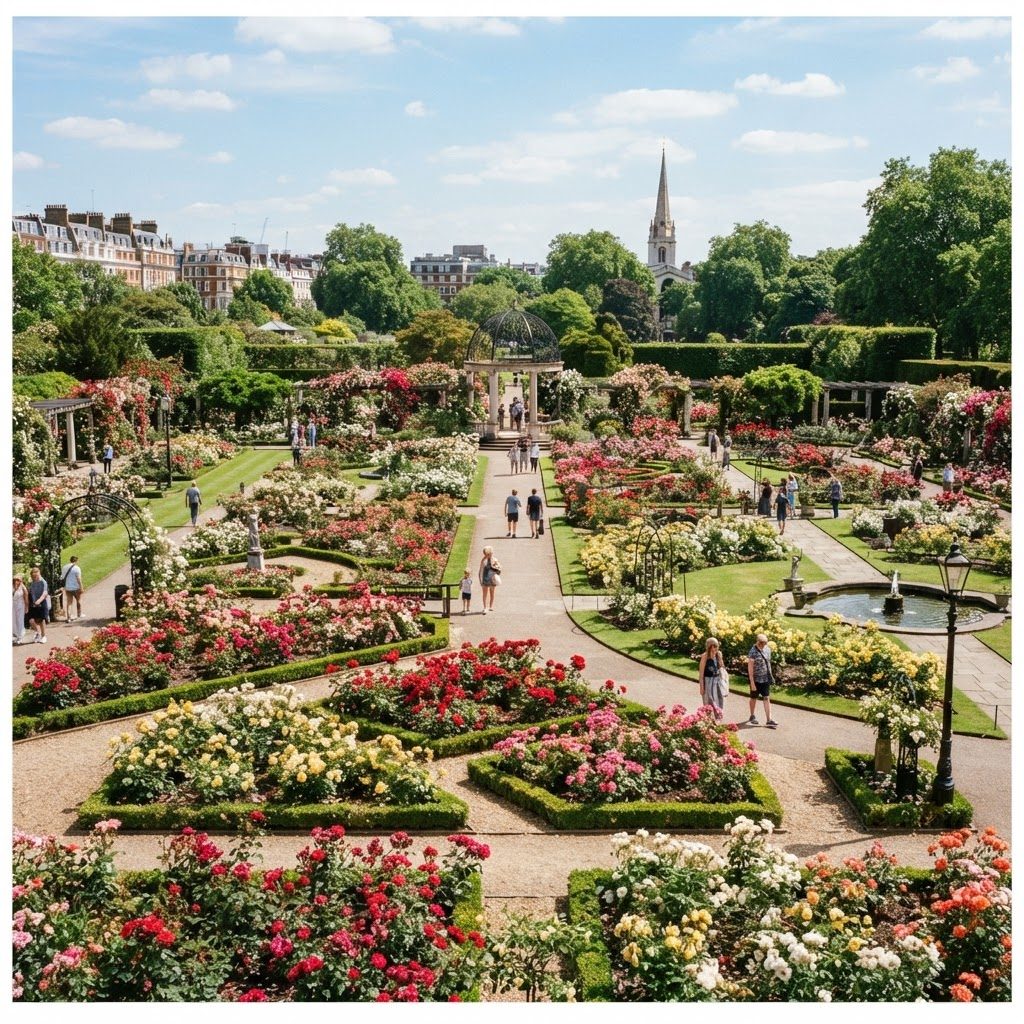
Regent's Park
An elegant Royal Park designed by John Nash, famous for Queen Mary's Gardens, the Open Air Theatre, London Zoo and beautifully manicured formal gardens.
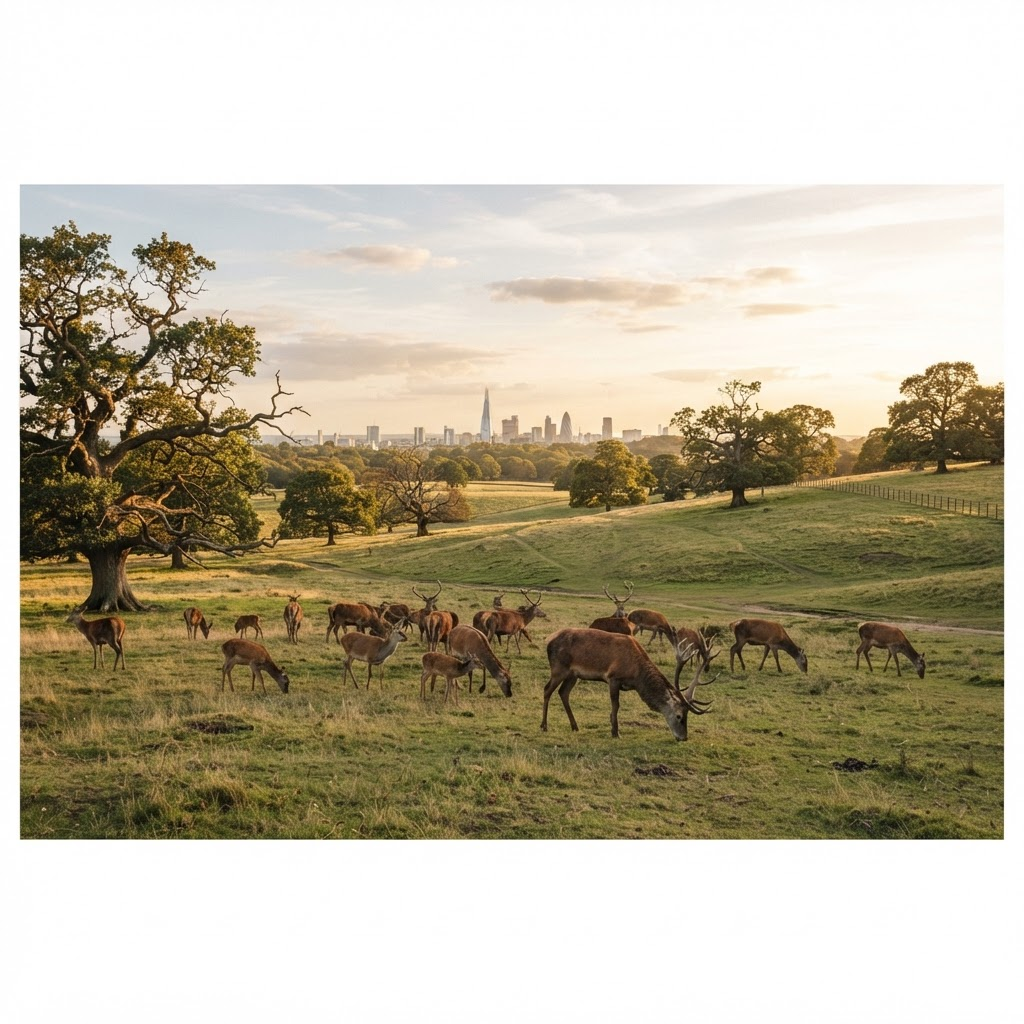
Richmond Park
London's largest Royal Park and a National Nature Reserve, famous for its free-roaming red and fallow deer, ancient trees and sweeping views towards St Paul's.