Natural History Museum
About Natural History Museum
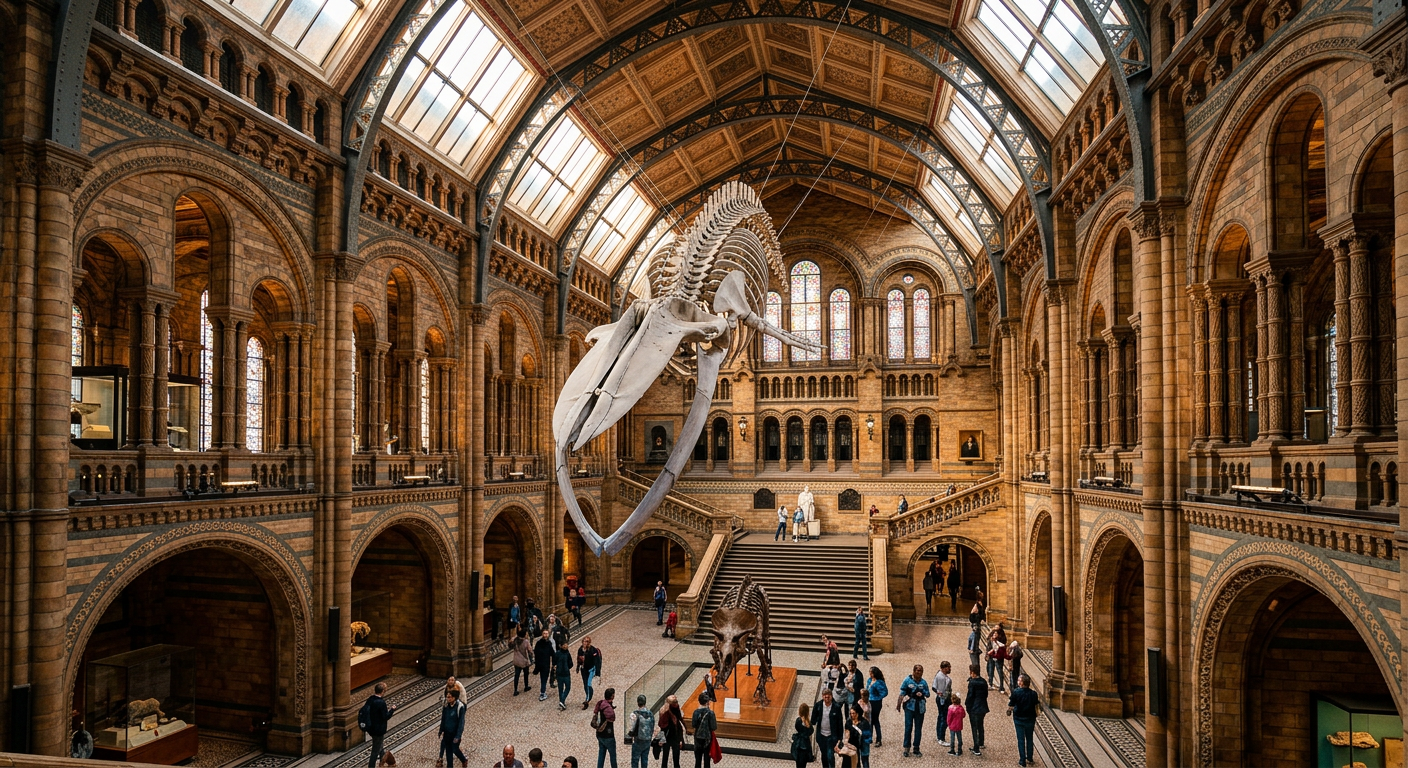
A cathedral to the natural world in a stunning Victorian building, famous for Hope the blue whale skeleton, its dinosaur gallery and around 80 million specimens.
History
The Natural History Museum grew out of the British Museum's natural history collections, which had outgrown their Bloomsbury home. The collections moved to a purpose-built South Kensington site, opening to the public in 1881.
Its Romanesque building, designed by Alfred Waterhouse, is a landmark in its own right, its terracotta facade decorated with carved animals and plants. In 2017 the 25-metre blue whale skeleton nicknamed Hope replaced the famous Diplodocus cast as the centrepiece of Hintze Hall.
What to Expect
Expect wide-eyed children, towering skeletons and some of the most beautiful interiors in London. The Dinosaurs gallery and the Earth Hall are the busiest areas, so head there early. School holidays are very popular; weekday afternoons in term time tend to be quieter. Exhibition Road also leads straight to the Science Museum and the V&A.
Known For
Highlights
- Free entry
- Hintze Hall
- Animatronic T. rex
- Wildlife Garden
- Family-friendly galleries
- Seasonal ice rink
Frequently Asked Questions
- Is the Natural History Museum free?
- Yes, general admission is free. Booking a free timed ticket is advised at weekends and in school holidays, and some exhibitions are paid.
- Is the Natural History Museum good for kids?
- It is one of London's best family days out, with dinosaurs, interactive displays and a wildlife garden.
- How do I get to the Natural History Museum?
- South Kensington station is around a five-minute walk via a pedestrian tunnel that leads almost directly to the museum.
More London Museums & Galleries
British Museum
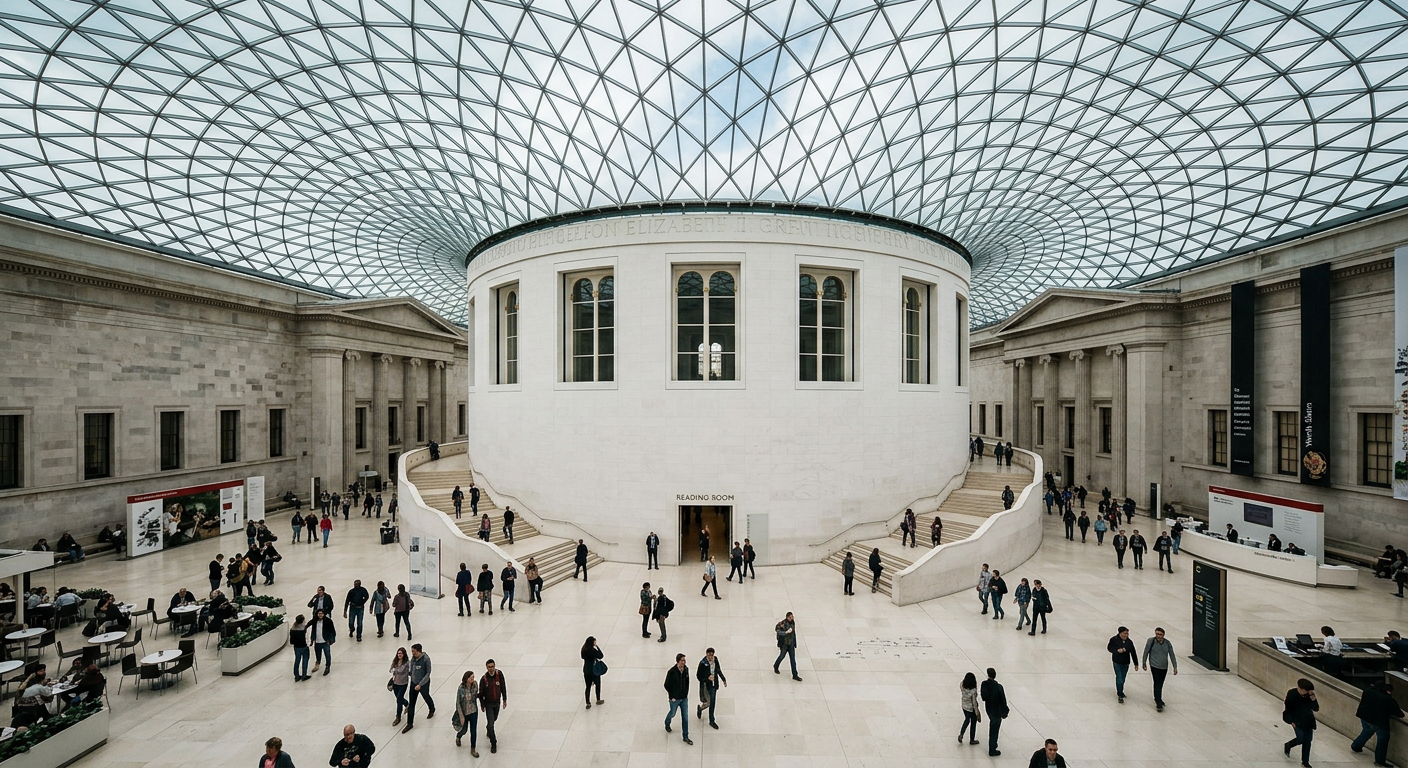
The world's first national public museum, holding around eight million objects spanning two million years of human history, from the Rosetta Stone to the Parthenon sculptures.
Tate Modern
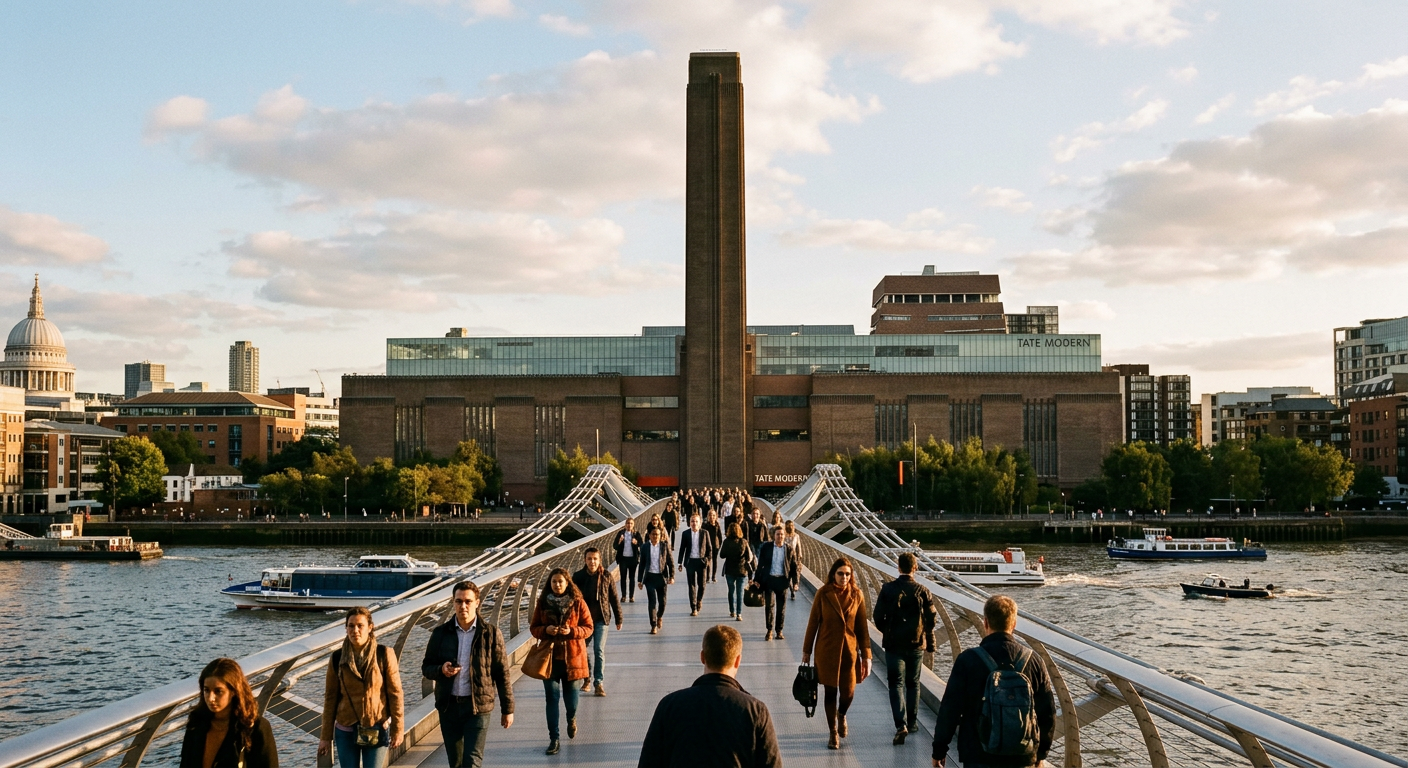
Britain's national gallery of international modern and contemporary art, housed in a former power station on the South Bank with free collection displays and its vast Turbine Hall.
Victoria and Albert Museum
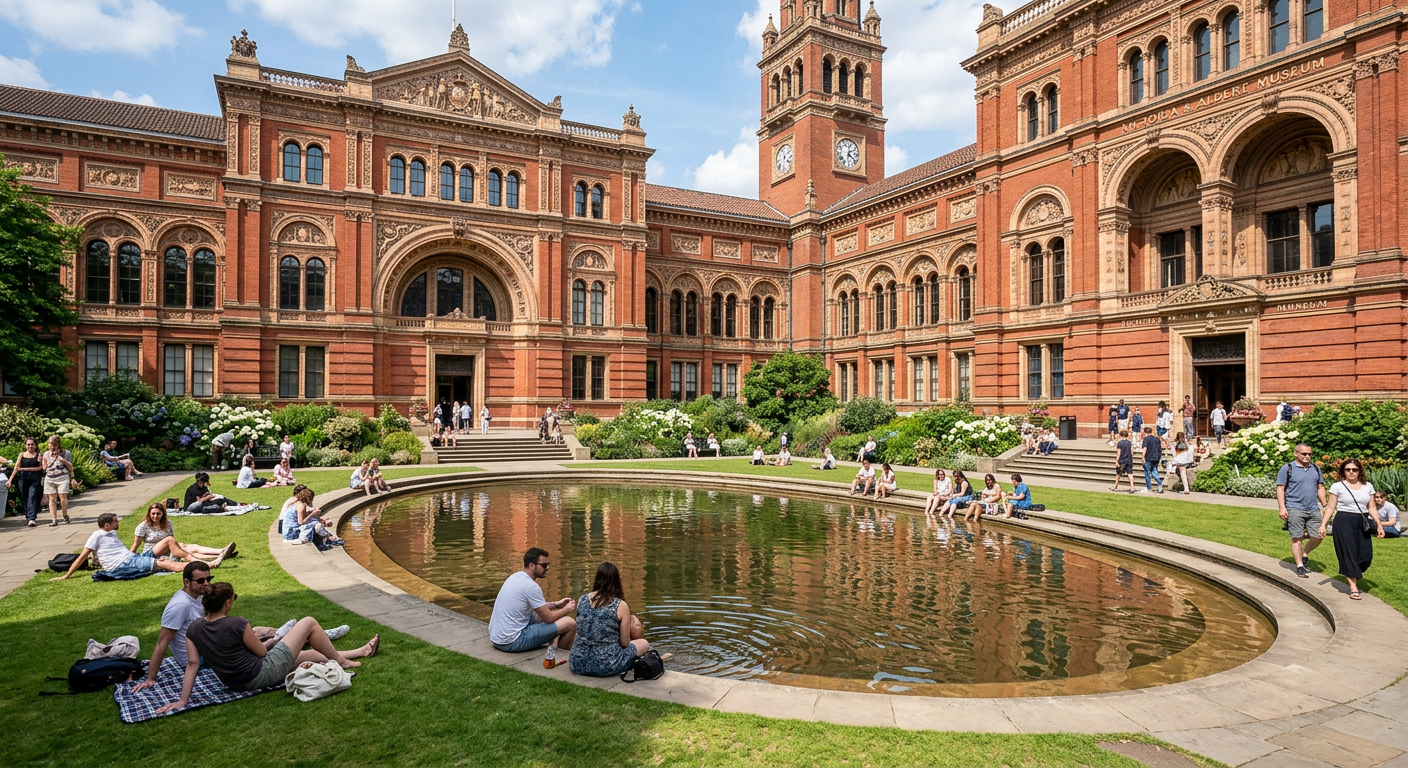
The world's leading museum of art, design and performance, with 5,000 years of fashion, furniture, ceramics, jewellery and sculpture in a magnificent Victorian building.