Clapham Common
About Clapham Common
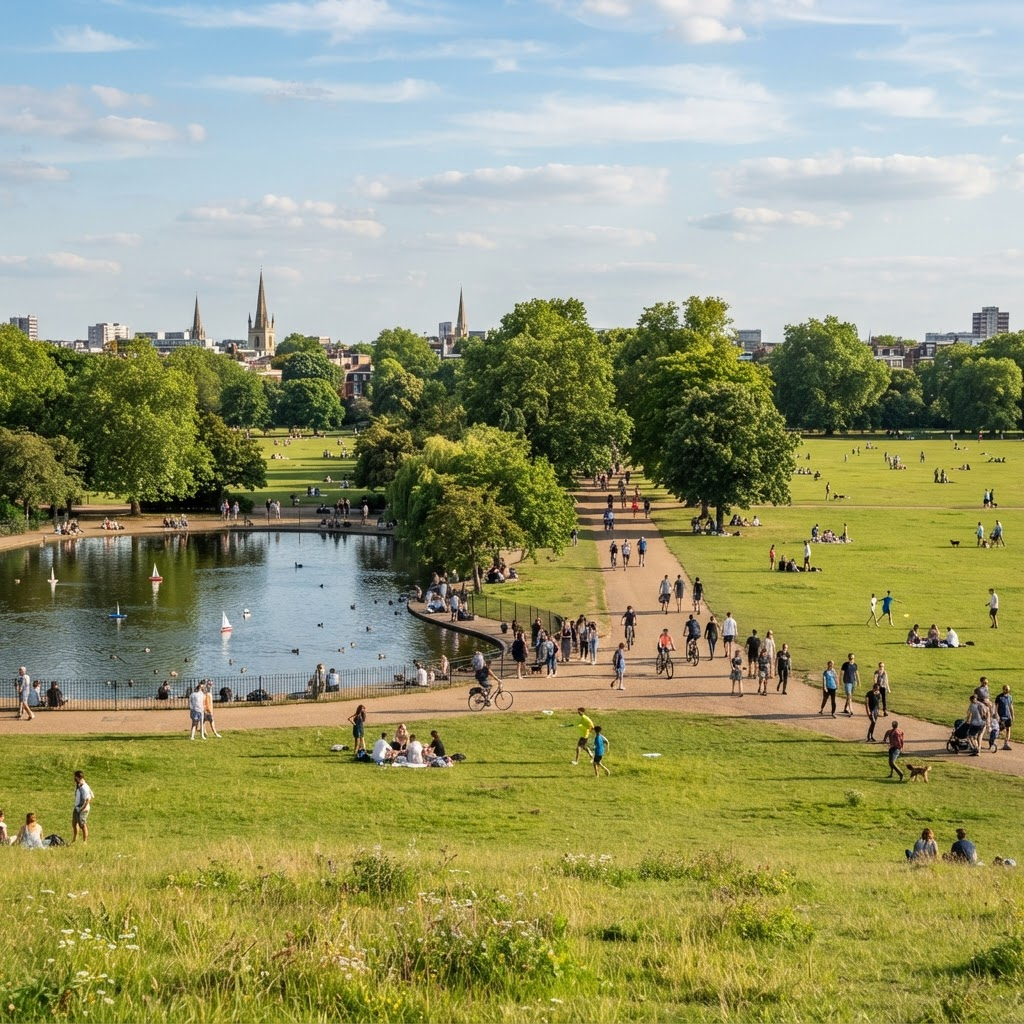
A vast triangle of open common land in South London, hugely popular for sport, festivals, ponds and a buzzing social scene surrounded by lively bars and cafés.
History & Heritage
Clapham Common originated as manorial common land shared by the parishes of Clapham and Battersea. In the late 18th and early 19th centuries the surrounding area became home to the influential 'Clapham Sect', a group of wealthy Evangelical social reformers including the anti-slavery campaigner William Wilberforce, who lived beside the common.
The land was saved from development and formally protected as public open space under the Metropolitan Commons Act, coming under the care of the Metropolitan Board of Works in 1878. Its elegant Victorian bandstand, the largest in London, was restored in 2006 and remains a centrepiece of the common.
What to Expect
Expect a wide, flat expanse of grassland crisscrossed by paths and dotted with three ponds used for fishing and model boating. The common is a magnet for joggers, football and cricket players, and outdoor fitness groups, and hosts major summer music festivals. Its restored bandstand, café and children's paddling pool add to the appeal, with Clapham's renowned bars and restaurants on the doorstep.
Known For
Features & Facilities
- Sports pitches
- Ponds
- Victorian bandstand
- Skate park
- Cafés
- Paddling pool
Frequently Asked Questions
- What festivals take place on Clapham Common?
- Clapham Common regularly hosts large summer music festivals and events, along with a funfair and community gatherings throughout the year.
- Can you fish on Clapham Common?
- Yes, two of the common's three ponds are used for angling, and Mount Pond and Long Pond are popular with anglers and model-boat enthusiasts.
- Is Clapham Common good for sport?
- Yes, the common has numerous football and cricket pitches, a skate park and open space widely used for running and outdoor fitness.
More London Parks
Brockwell Park
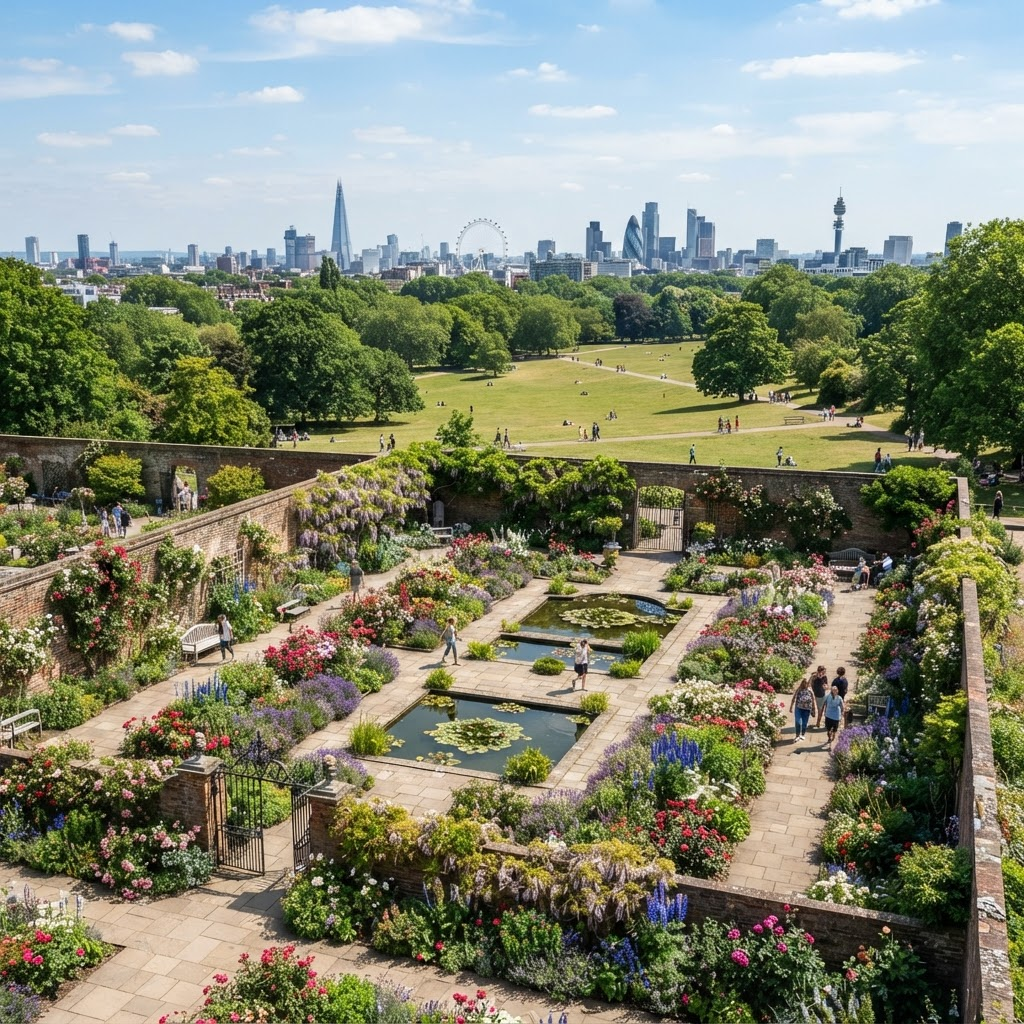
A much-loved South London park between Brixton and Herne Hill, famous for its Art Deco lido, walled garden, ponds and hilltop views over the city.
Hyde Park
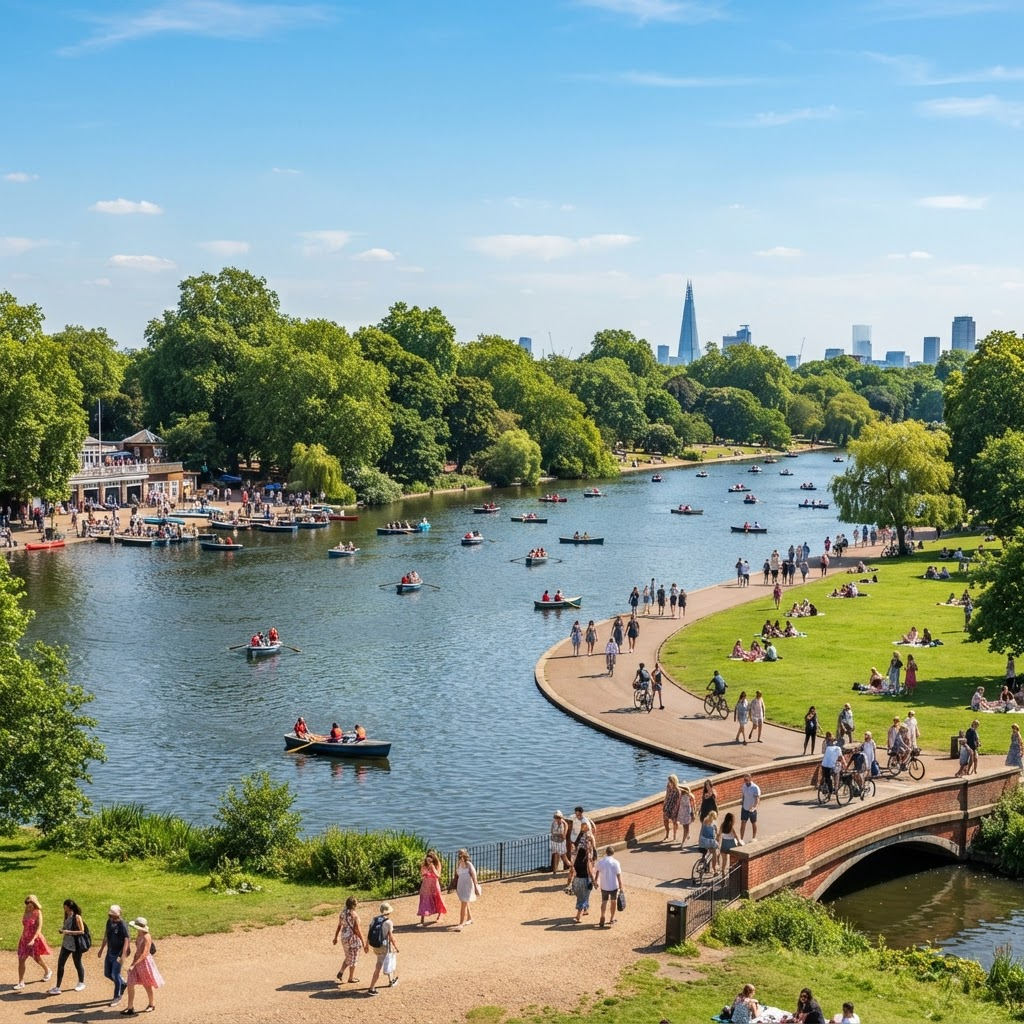
One of London's largest and most famous Royal Parks, home to the Serpentine lake, Speakers' Corner and 350 acres of open parkland in the heart of the city.
Regent's Park
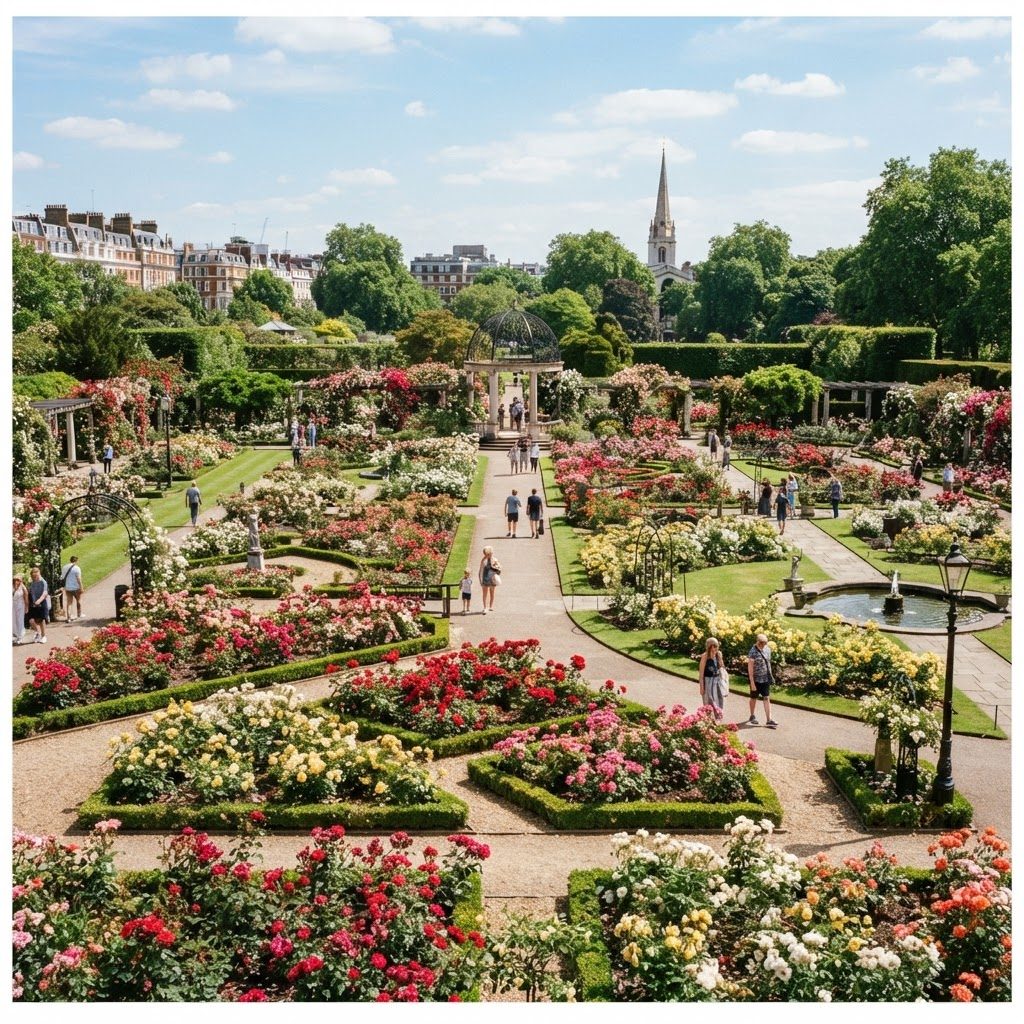
An elegant Royal Park designed by John Nash, famous for Queen Mary's Gardens, the Open Air Theatre, London Zoo and beautifully manicured formal gardens.