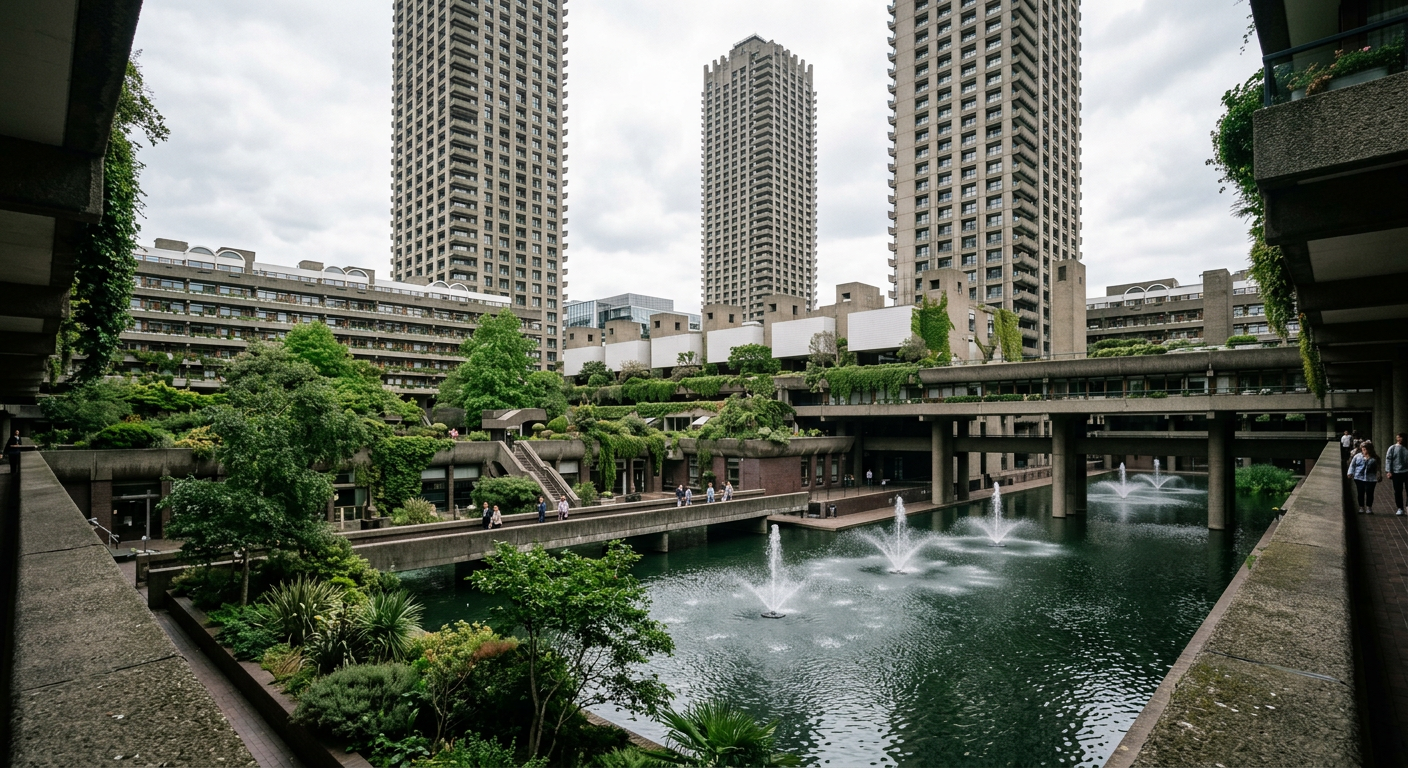
Barbican Centre
About Barbican Centre
Europe's largest multi-arts centre, home of the London Symphony Orchestra, with a concert hall, theatres, cinemas, art galleries and a tropical conservatory in a brutalist landmark.
History
The Barbican was built on land devastated by bombing in the Second World War. Architects Chamberlin, Powell and Bon designed the housing estate and arts centre, which Queen Elizabeth II opened in 1982.
It is home to the London Symphony Orchestra and the BBC Symphony Orchestra's associate base. The estate is Grade II listed and is now celebrated as one of the finest examples of brutalist architecture in the world.
What to Expect
Expect a maze-like building — follow the yellow lines to find your way. Arrive early to sit by the lake, explore the free foyers, or visit the Conservatory on selected days. The concert hall's acoustics are superb, and the centre often programmes contemporary dance, film and art alongside classical music.
Known For
Highlights
- Concert hall
- Barbican Theatre
- Art gallery and The Curve
- Three cinemas
- Conservatory
- Free foyer spaces
Frequently Asked Questions
- Is the Barbican Conservatory free?
- Entry to the Conservatory is free on selected days but must be booked in advance, as it is very popular.
- Who performs at the Barbican?
- The London Symphony Orchestra is resident at the Barbican, which also hosts international orchestras, theatre, dance, film and contemporary music.
- What is the nearest station to the Barbican?
- Barbican and Moorgate stations are both within about a 5–10-minute walk.
More London Theatres & Concert Halls
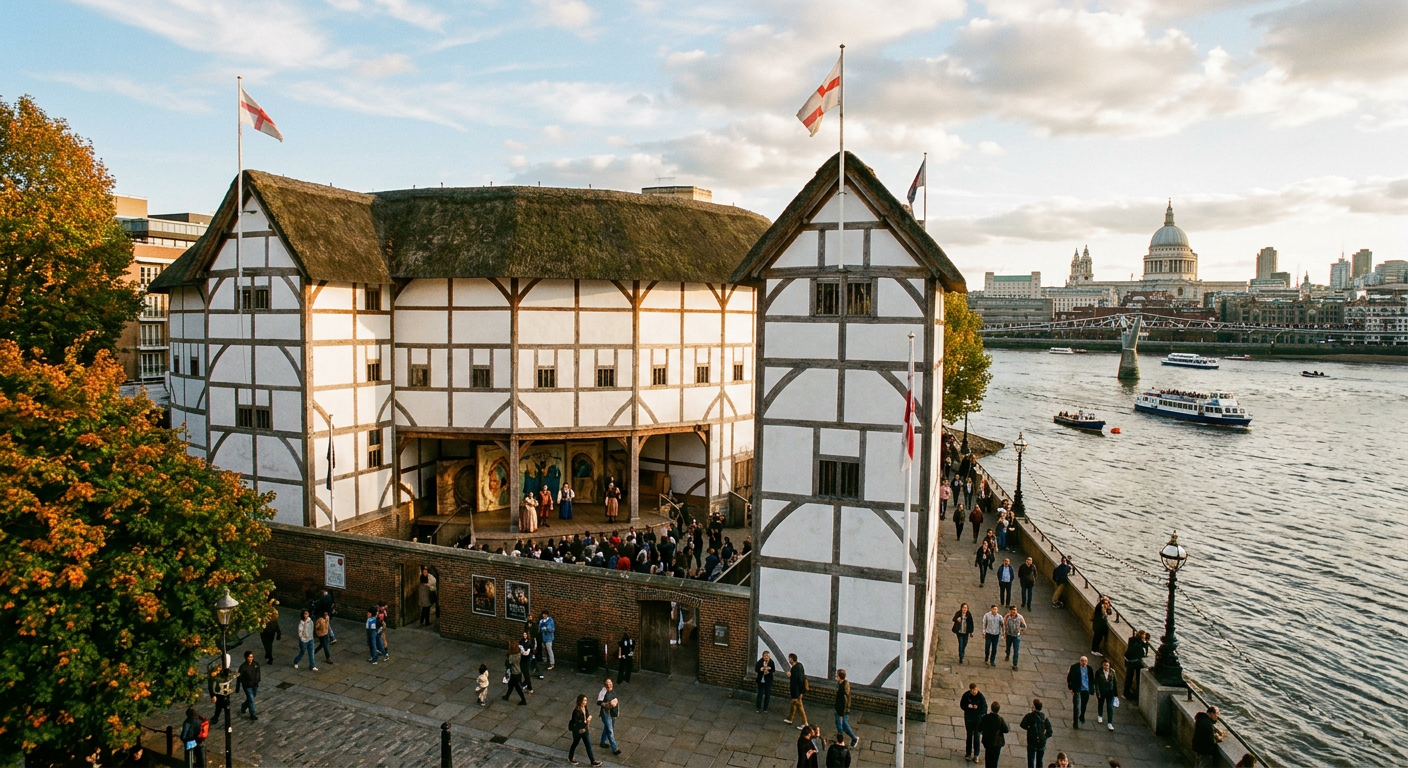
Shakespeare's Globe
A faithful reconstruction of the open-air playhouse where Shakespeare's company performed, staging his plays the way Elizabethan audiences saw them, with standing tickets in the yard.
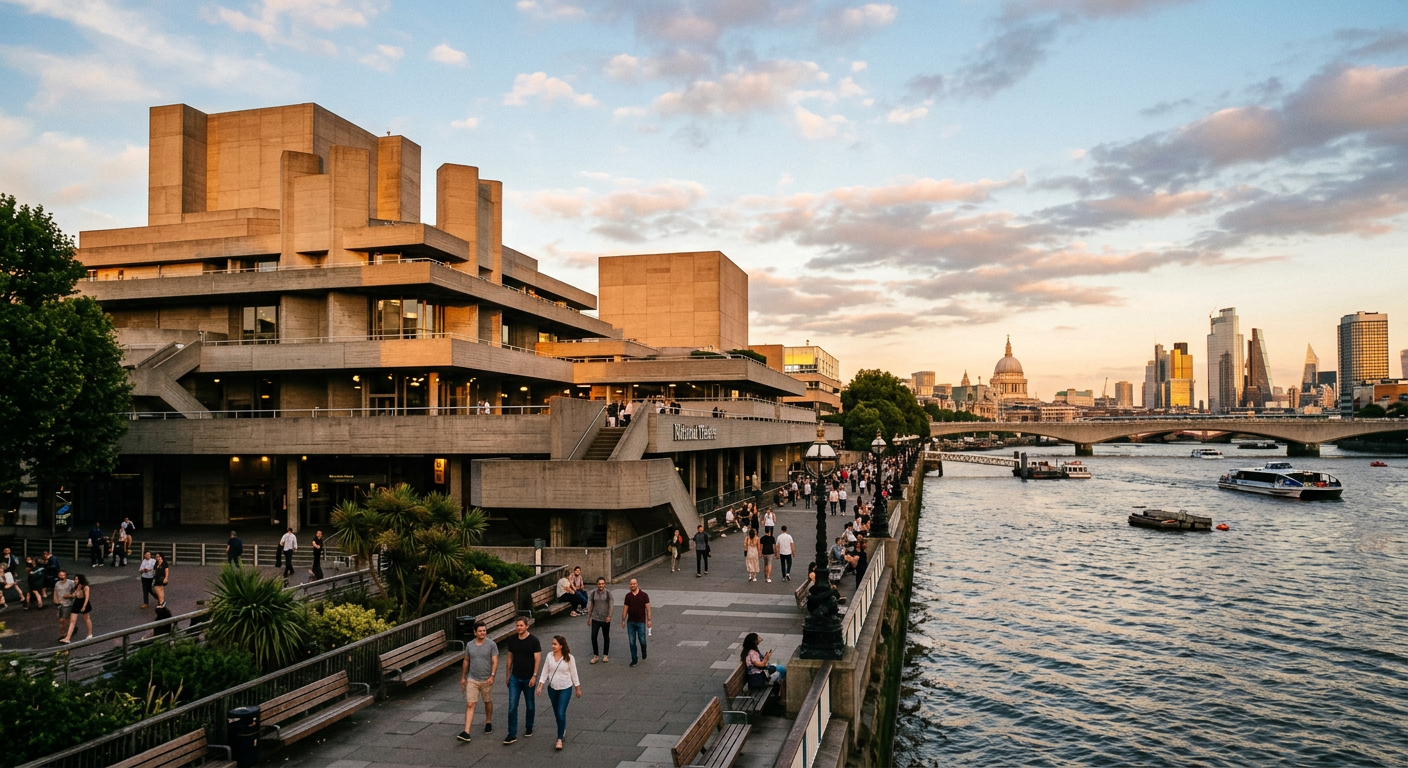
National Theatre
Britain's flagship public theatre on the South Bank, running three stages of new writing, classics and family shows, with free foyer events and riverside bars.
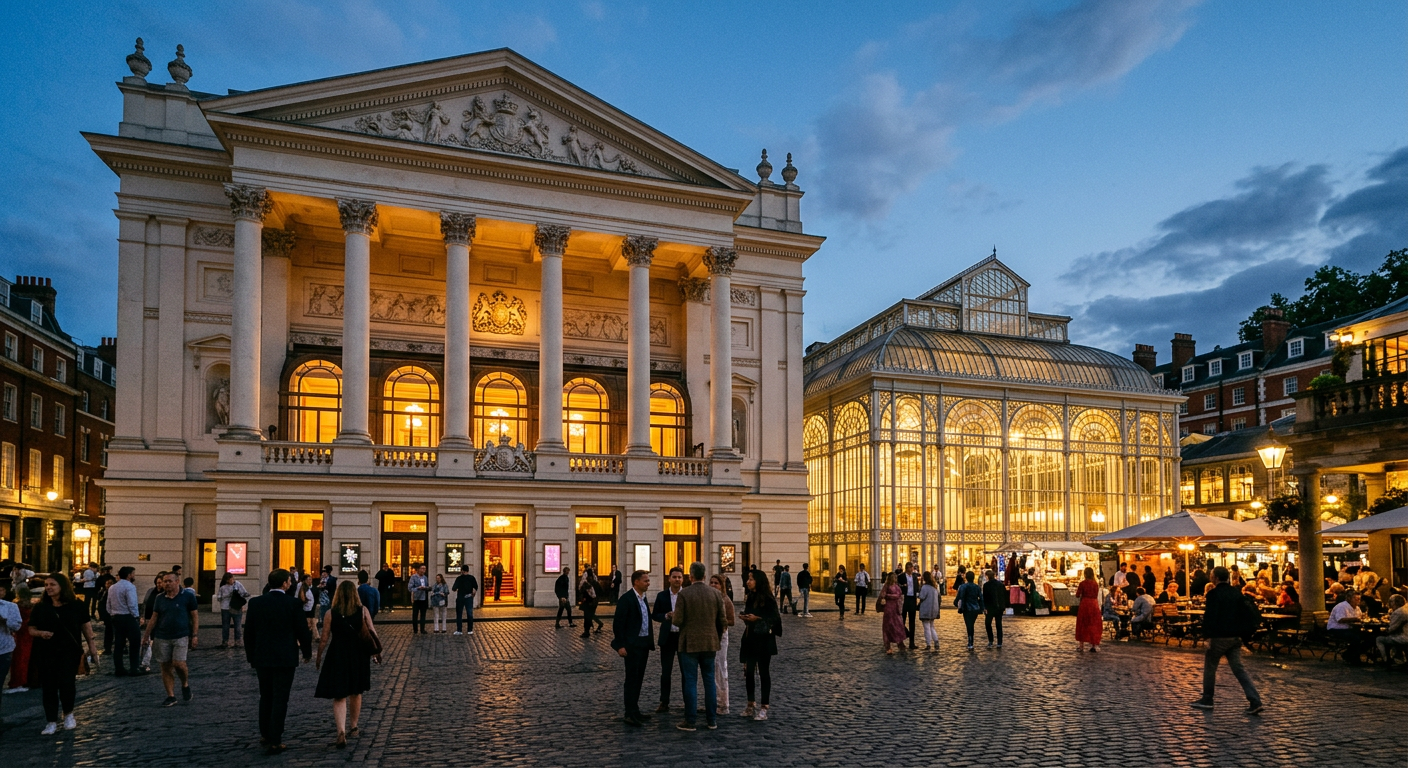
Royal Opera House
Home of The Royal Ballet and The Royal Opera, presenting world-class opera and ballet in a grand Victorian auditorium on Covent Garden's piazza.